Business License

Understanding Lace Fabric: Features, Types & Uses
Understanding Lace Fabric: Features, Types & Uses
Lace has remained one of the most recognizable textiles in fashion for hundreds of years. While trends come and go, lace continues to be a staple in bridal wear, evening gowns, lingerie, luxury apparel, and even home décor. Its intricate patterns, lightweight construction, and timeless elegance make it a favorite among designers and consumers alike.
Today, lace is no longer reserved for haute couture. Modern manufacturing technologies have made high-quality lace more accessible than ever, allowing fashion brands and garment manufacturers to incorporate it into collections across every price point. From affordable ready-to-wear garments to premium bridal gowns, lace can be adapted to suit a wide range of products and markets.
However, not all lace fabrics are created equal. Different manufacturing techniques, fiber compositions, and construction methods affect everything from appearance and durability to production costs and garment performance. For buyers and designers, understanding these differences is essential when selecting fabrics for commercial production.
This guide explains what lace fabric is, how it is manufactured, its key characteristics, the most common types available, and how different industries use lace to create products that combine beauty with functionality.
What Is Lace Fabric?
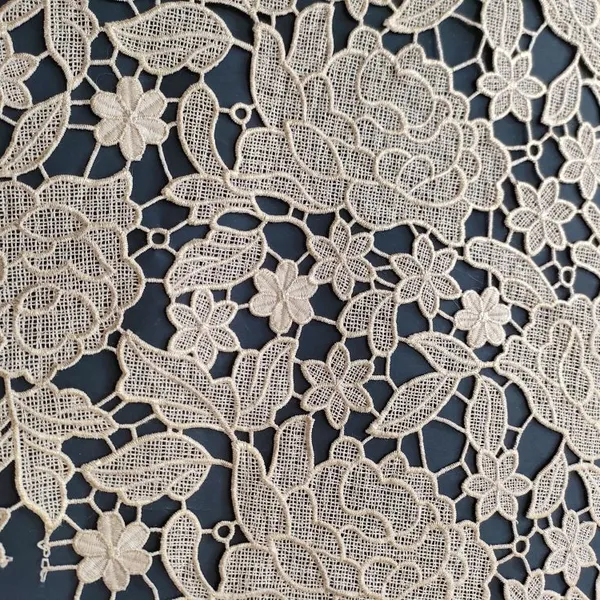
Lace fabric is a decorative textile distinguished by its openwork structure. Unlike traditional woven fabrics, lace is formed by creating decorative patterns connected by threads rather than a continuous surface. The spaces between these patterns give lace its lightweight, airy appearance while allowing designers to create intricate floral, geometric, or abstract motifs.
Historically, lace was made entirely by hand using painstaking techniques such as needle lace and bobbin lace. Producing even a small piece required exceptional craftsmanship and could take weeks or months to complete. Because of the time involved, handmade lace was once considered a luxury reserved for royalty and the wealthy.
Today, the majority of commercial lace is produced using advanced embroidery machines or warp-knitting technology. These manufacturing methods replicate the elegance of traditional lace while offering greater consistency, faster production, and significantly lower costs. As a result, lace has become an essential material for both luxury fashion houses and mass-market apparel brands.
Modern lace fabrics are available in countless designs, weights, colors, and fiber blends, making them suitable for everything from delicate bridal veils to everyday fashion garments.
Why Lace Fabric Remains Popular in Modern Fashion
Fashion trends evolve every season, yet lace continues to appear on runways and in retail collections year after year. Its lasting popularity comes from its ability to combine visual sophistication with practical versatility.
Unlike heavily embellished fabrics, lace adds texture without excessive weight. It creates depth while maintaining breathability, making it comfortable to wear in both warm and cool climates. Designers also appreciate how easily lace can be layered over other materials, allowing them to create garments with dimension and elegance.
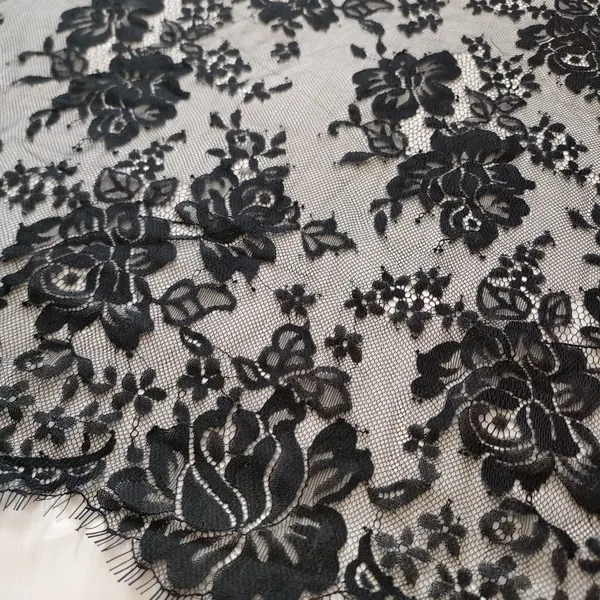
Another reason for lace's enduring appeal is its adaptability. The same fabric can be used to create dramatically different styles depending on the pattern, color, and garment construction. Delicate Chantilly lace evokes romance and femininity, while bold Guipure lace creates a modern, architectural look. Stretch lace offers comfort for intimate apparel, while embroidered lace adds luxury to bridal collections.
Advances in textile technology have further expanded lace's potential. Manufacturers can now produce highly detailed patterns, incorporate metallic threads or sequins, and customize colors to meet the specific needs of fashion brands around the world.
For apparel manufacturers, lace also represents an excellent balance between aesthetics and commercial value. A thoughtfully selected lace fabric can significantly enhance the perceived quality of a garment, allowing brands to create premium-looking products without dramatically increasing production costs.
Key Characteristics of Lace Fabric
Understanding the physical properties of lace helps buyers choose materials that align with their design goals, target market, and production budget.
Property | Why It Matters |
Lightweight | Adds elegance without making garments feel heavy. |
Breathable | The openwork construction promotes airflow and improves comfort. |
Decorative | Intricate patterns instantly enhance the visual appeal of a garment. |
Versatile | Available in countless styles, fibers, weights, and finishes. |
Layer-Friendly | Works beautifully over satin, chiffon, organza, tulle, and lining fabrics. |
Customizable | Can be dyed, embroidered, beaded, or finished to suit different collections. |
Although lace is often associated with delicate garments, many modern lace fabrics are surprisingly durable. Advances in yarn technology and knitting equipment have made today's commercial lace suitable for everyday apparel, active production environments, and large-volume manufacturing.
The fiber composition also plays an important role in performance. Nylon lace tends to be soft and resilient, polyester offers excellent durability and cost efficiency, while cotton and rayon provide a more natural hand feel. Luxury collections may incorporate silk blends for exceptional softness and sheen.
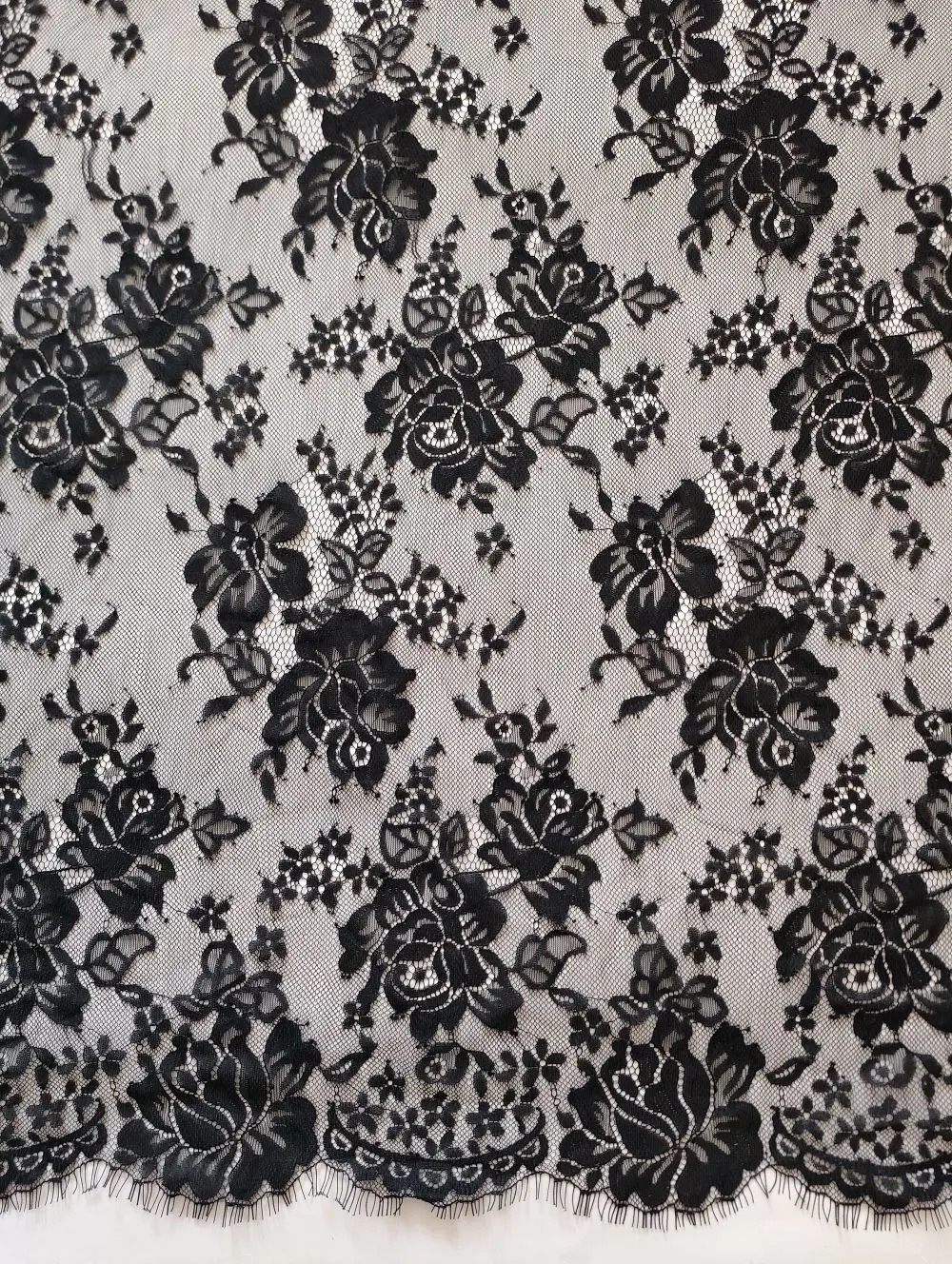
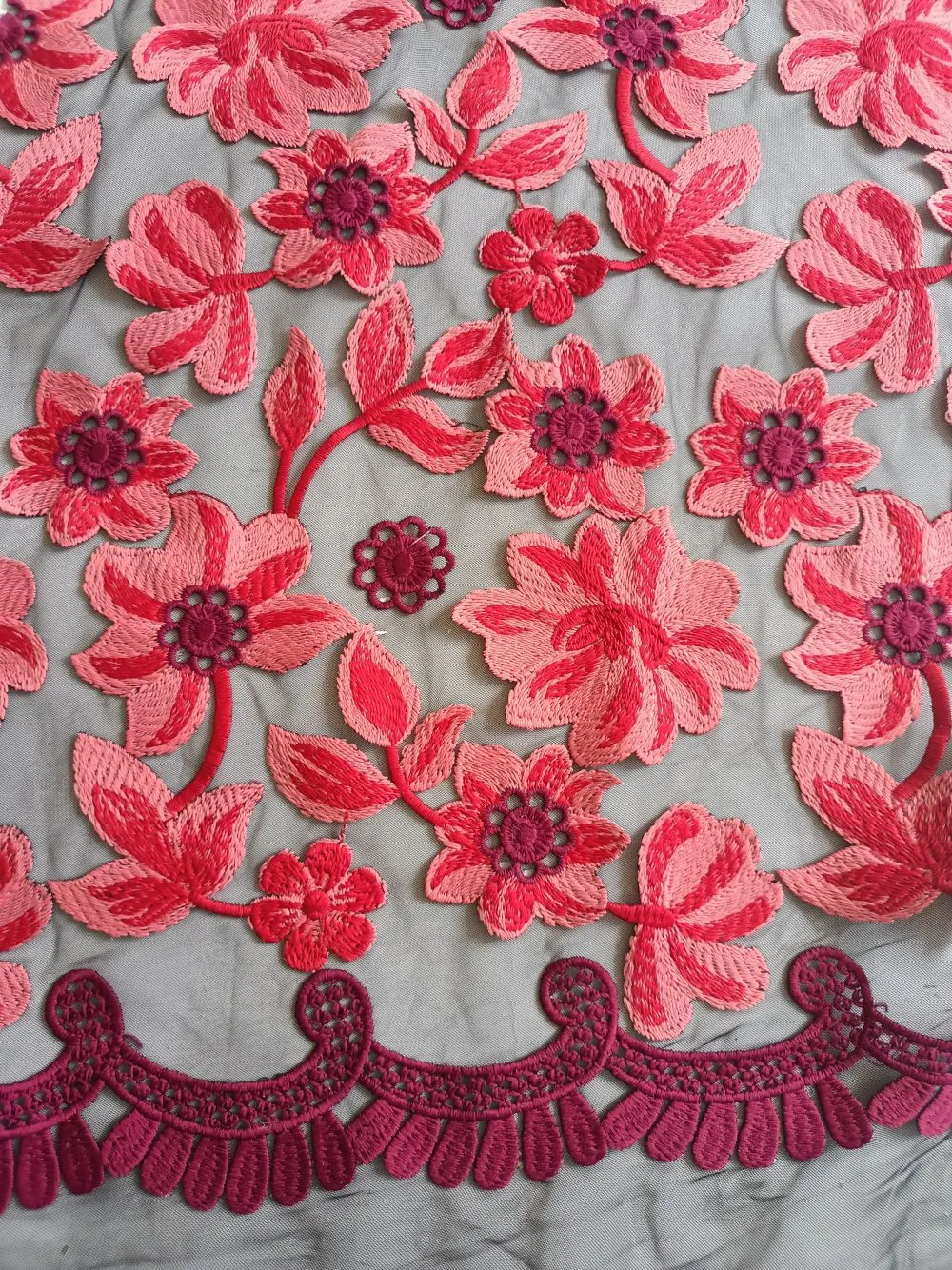
Recently Posted
-
Commercial Applications of Lace Fabric
June 30, 2026One of the reasons lace has remained a staple in the textile industry is its remarkable versatility. From luxury fashion to home d Read More
 -
Popular Types of Lace Fabric
June 30, 2026Not all lace fabrics are made the same. While they may share a similar decorative appearance, different types of lace vary signifi Read More
 -
How Is Lace Fabric Made?
June 29, 2026Although lace may appear delicate and intricate, modern production relies on highly advanced textile technology. Depending on the Read More
 -
Burgundy Lace Fabric: The 2026 AW Trend Driving Higher Margins for Fashion Brands
February 9, 2026Product OverviewFor fashion brand buyers and procurement leaders, the 2026 Autumn/Winter season presents a clear opportunity: burg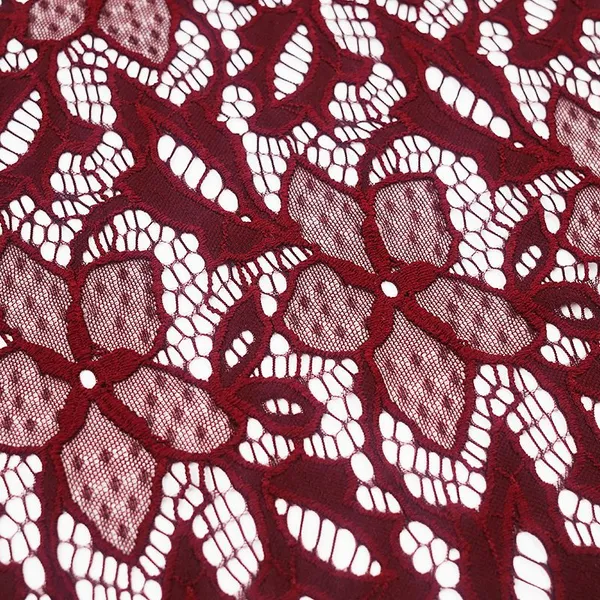 Read More

Contact Us
Recommended Products
-
 BJ044 Fancy Stretch Polyester Metallic Lurex Woven Luxury Shiny 3d Brocade Jacquard Fabric for Clothing DressNegotiableMOQ: 200 Meters
 -
BJ036 Best-selling Fashion Elegant Floral 3d Fabric for Women's Spring Autumn Dresses JacquardNegotiableMOQ: 200 Meters
-
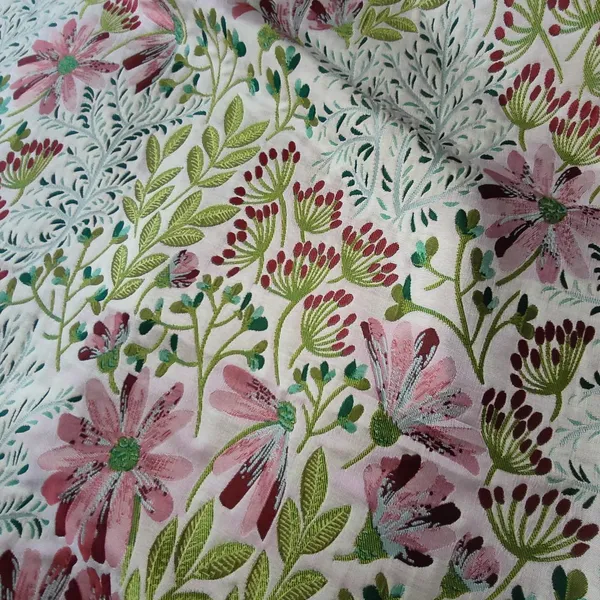
BJ031 Woven Metallic Yarn Floral Brocade Jacquard Fabric For Haute CoutureNegotiableMOQ: 200 Meters
-
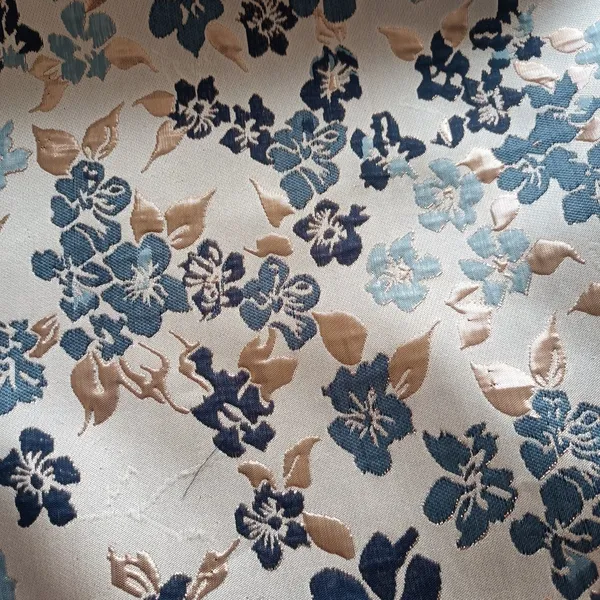
BJ014 Brocade Lace Fabric Yarn Dyed Jacquard Fabric Brocade ClothingNegotiableMOQ: 200 Meters
-
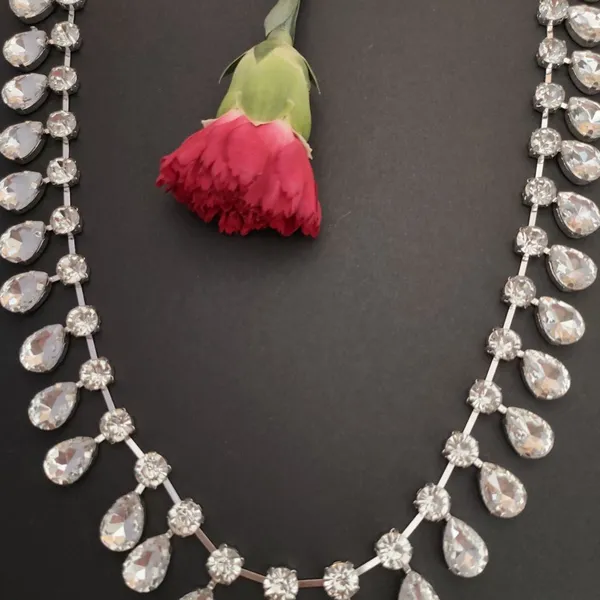
XB182 25MM Fancy Cup Chain Trimming Clothing Accessory With PearlsNegotiableMOQ: 60 Yards
-
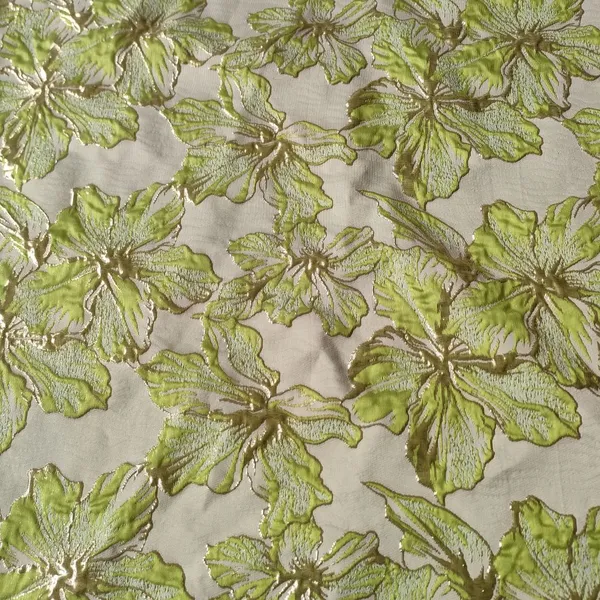
BJ012 3D Flower Elegant Brocade Fabric Classic Women Dress Decorative ClothNegotiableMOQ: 200 Meters
-
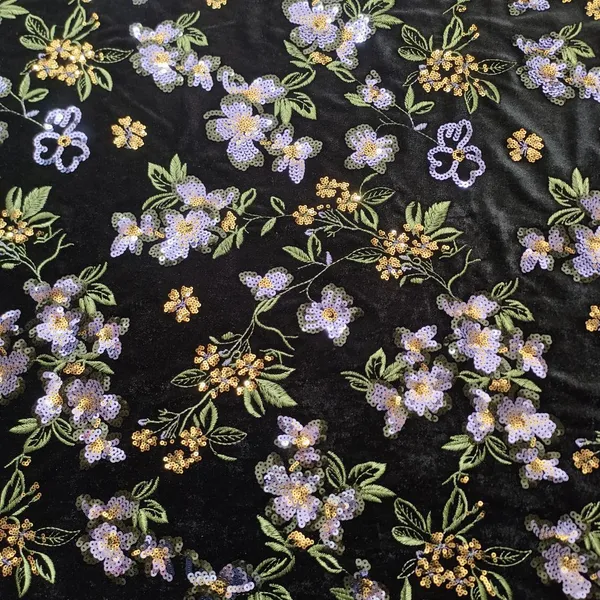
XF6069 Chinese Style Green Plants Embroidered Velvet Fabric SequinedNegotiableMOQ: 200 Yards
-
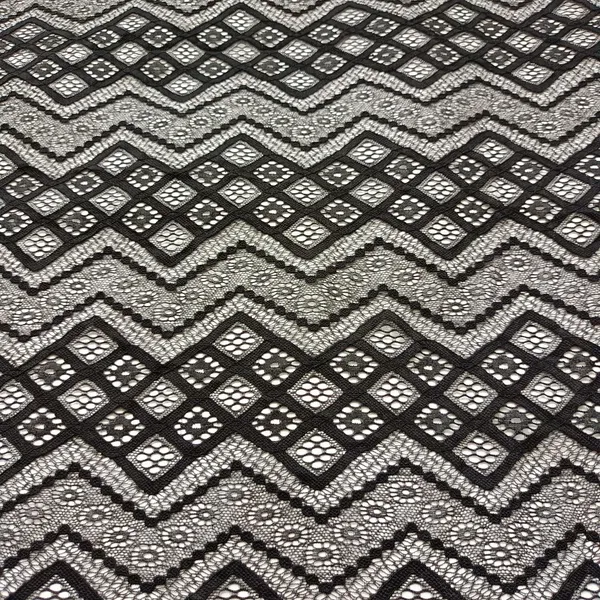
XL668 New Black Geometry French Lace Design Style Elastic Lace FabricNegotiableMOQ: 200 Yards
-
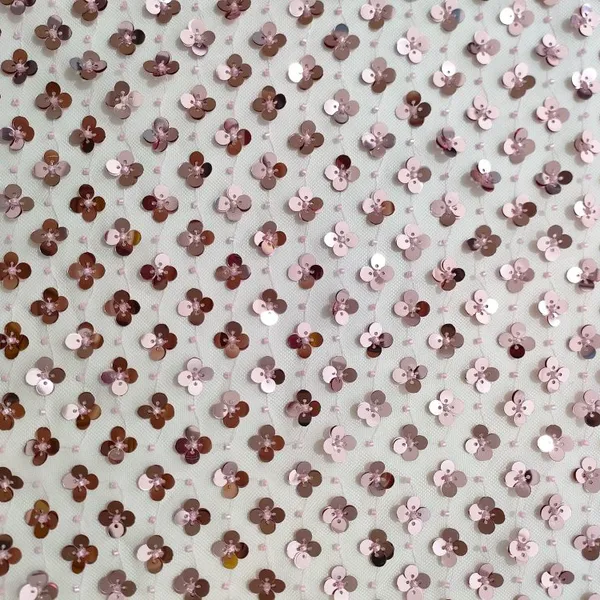
XW026 Sequined Beaded Mesh Lace Fabric Party Dress Wedding Gown Home DecorationNegotiableMOQ: 200 Yards
-
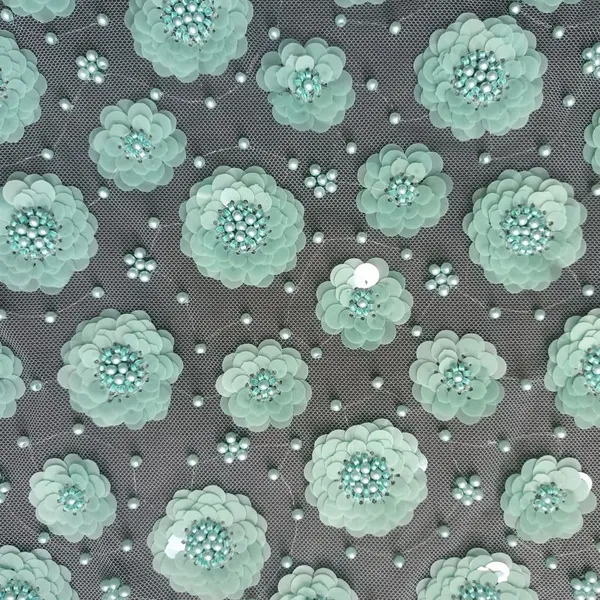
XW5293 Embroidery Heavy Wedding Lace Floral Beaded Mesh Lace Fabric SequinsNegotiableMOQ: 200 Yards
-
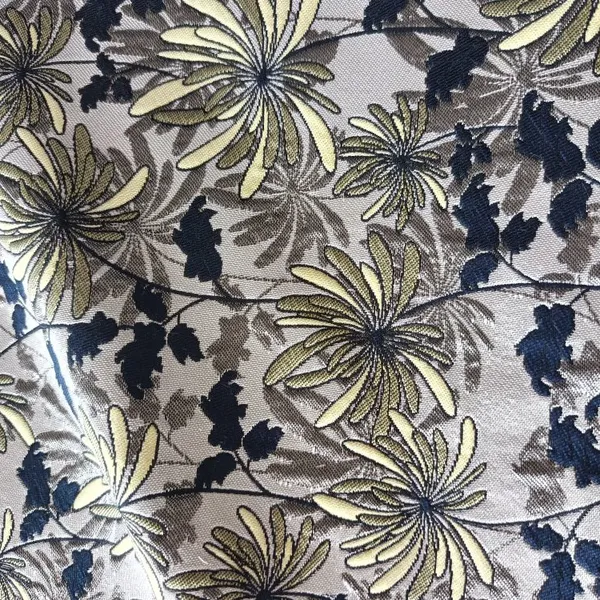
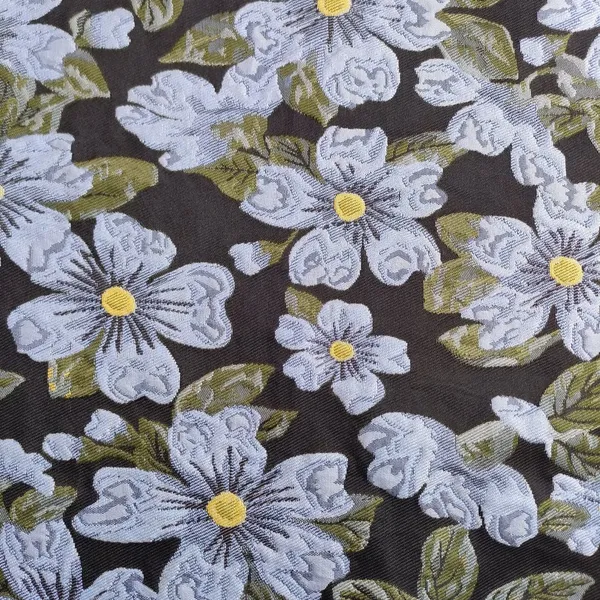
BJ032 Embossed Yarn Dyed Jacquard Fabric Floral Brocade Design Plants For GarmentsNegotiableMOQ: 200 Meters
-
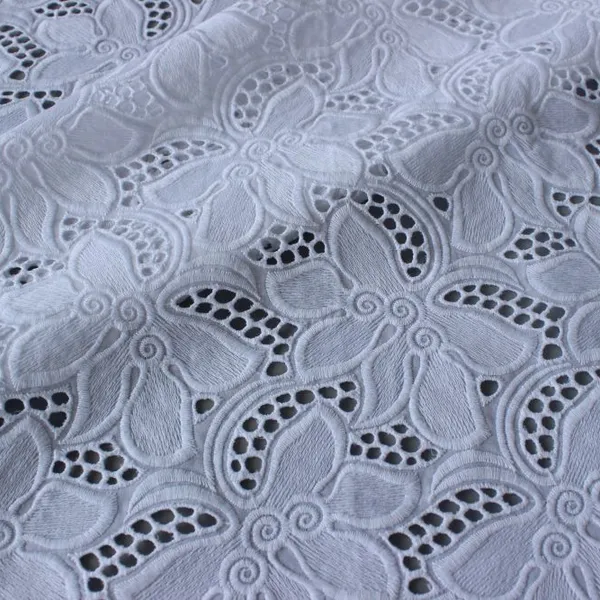
XE059 Bleach Eyelet Fabric Schiffli Cotton Lace Fabric Hollow Out For GarmentsNegotiableMOQ: 200 Yards
-
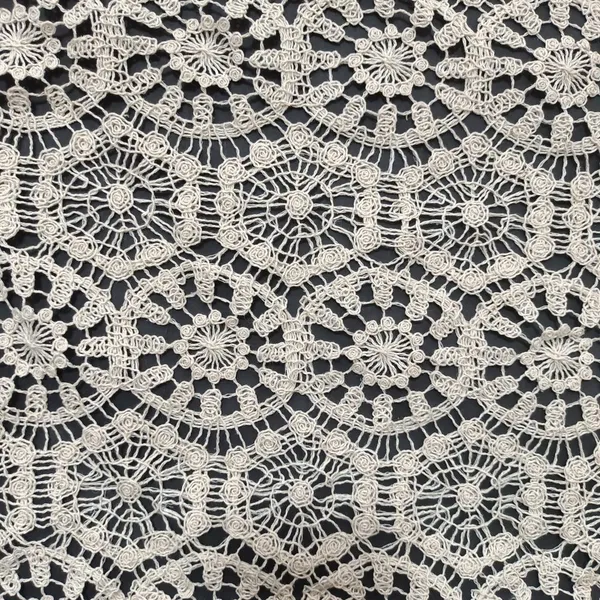
XP3968 Embroidered Cord Lace Fabric Apparel Trim FabricsNegotiableMOQ: 200 Yards
-
XS1661 Fashion Floral Chemical Lace For Haute Couture Or Ready To WearNegotiableMOQ: 200 Yards
-
N116 Acetate Satin Fabric Polyester Fabric Skirt Lining FabricNegotiableMOQ: 200 Meters
-
L6012 Natural Linen Fabric For Summer Dress Quilting Fabric For BeddingNegotiableMOQ: 200 Meters
-
XE265 White Cotton Voile Schiffli Embroidered Fabric For Garments Design Home DecorationNegotiableMOQ: 200 Yards
-
XL698 Bridal French Chantilly Lace Trim Swiss Veil Mesh Fabric For WomenNegotiableMOQ: 200 Yards
-
XF6046 Hot Pink Luxury Embroidery Lace Fabric Fashion Design Mesh Fabric For DressNegotiableMOQ: 200 Yards
-
XW5296 Novel Designs Tape Embroidery Ribbon Lace Fabric With Beads Bridal FabricNegotiableMOQ: 200 Yards