Business License

Commercial Applications of Lace Fabric
One of the reasons lace has remained a staple in the textile industry is its remarkable versatility. From luxury fashion to home décor, lace can be adapted to suit a wide variety of products and design styles.
Its ability to combine elegance with functionality makes it a valuable material across multiple industries.
Bridal and Wedding Wear
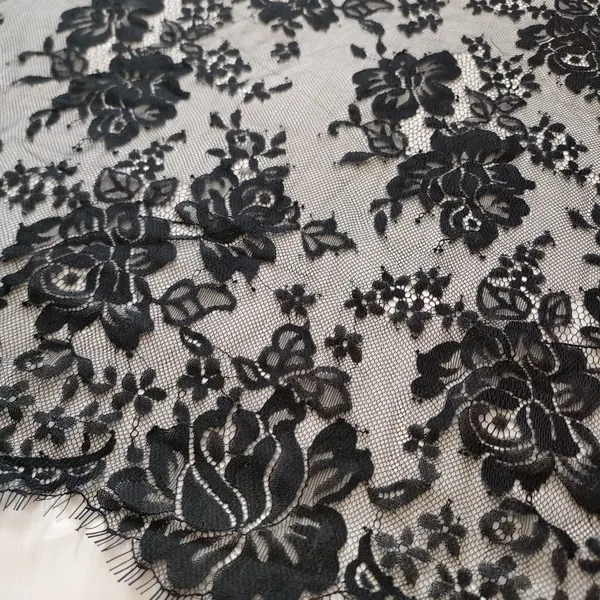
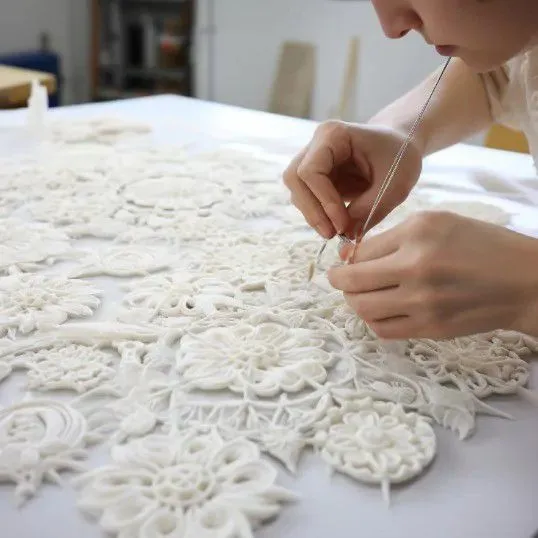
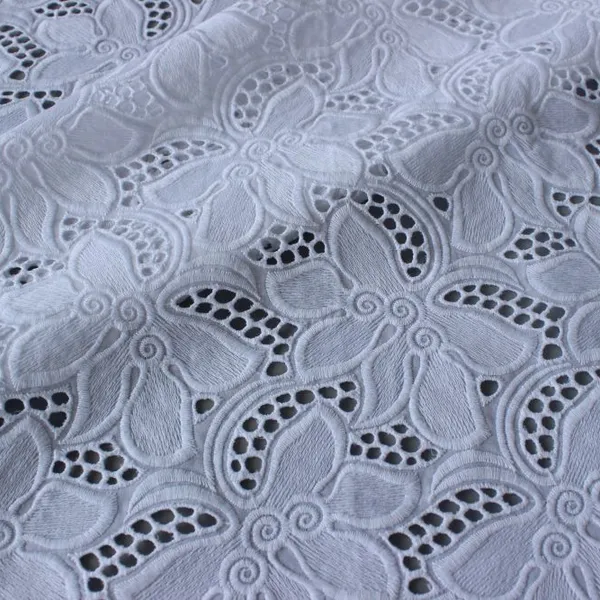
Bridalwear is one of the largest markets for lace fabric. Designers often use embroidered lace, Chantilly lace, and corded lace to create romantic details and luxurious finishes.
Lace can be incorporated throughout a wedding dress or used selectively to highlight specific areas, such as sleeves, necklines, bodices, trains, or veils.
Because lace pairs beautifully with fabrics like satin, tulle, and organza, it remains one of the defining materials in modern bridal fashion.
Women's Fashion
Lace is widely used in contemporary women's apparel because it adds texture and sophistication without making garments feel heavy.
Common applications include:
Dresses
Blouses
Skirts
Fashion tops
Jackets
Eveningwear
Designers often combine lace with solid fabrics to create contrast and add visual interest, making it suitable for both seasonal collections and timeless wardrobe staples.
Lingerie and Intimate Apparel
Soft stretch lace has become a standard material for lingerie thanks to its combination of comfort, flexibility, and elegant appearance.
It is commonly used in:
Bras
Panties
Bodysuits
Sleepwear
Camisoles
Modern stretch lace allows garments to move naturally with the body while maintaining their shape, making it ideal for everyday wear.
Home Textiles
Beyond fashion, lace continues to play an important role in interior décor.
Decorative lace fabrics are frequently used for:
Curtains
Table runners
Cushion covers
Decorative overlays
Window treatments
These applications bring a sense of warmth and refinement to both traditional and contemporary interiors.
Fashion Accessories
Lace is also widely used in accessories to add decorative detail without adding bulk.
Popular applications include:
Hair accessories
Gloves
Scarves
Handbags
Decorative trims
Footwear accents
Its versatility allows designers to incorporate lace into both minimalist and highly decorative products.
How to Choose the Right Lace Fabric
Selecting the right lace involves more than choosing an attractive pattern. The ideal fabric should support your product design, production requirements, and target market.
Before placing an order, consider the following factors:
Define the End Use
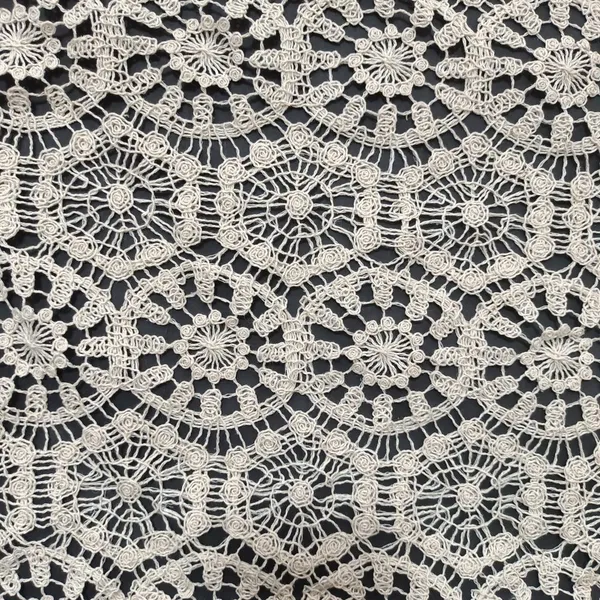
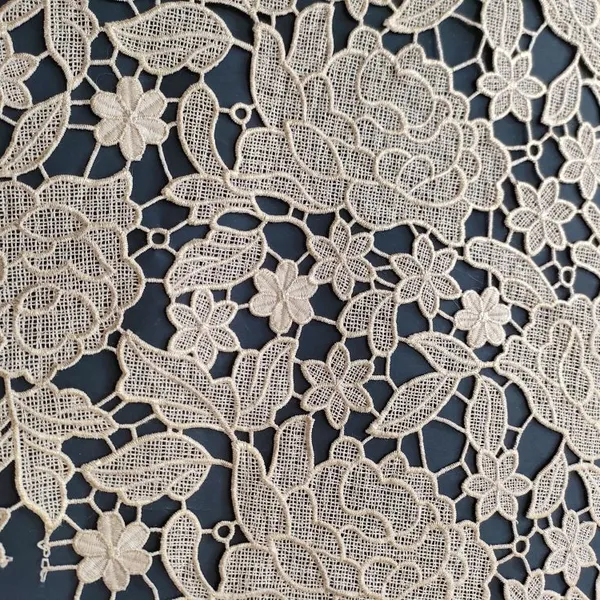
Different products require different types of lace. Lightweight Chantilly lace is ideal for veils and lingerie, while embroidered or Guipure lace is better suited for bridal gowns and statement fashion pieces.
Evaluate Fabric Weight
Fabric weight affects both the appearance and structure of a garment. Lightweight lace creates a soft, flowing look, while heavier lace offers greater support and definition.
Consider Stretch Requirements
If comfort and flexibility are priorities, especially for fitted garments, choosing a stretch lace with elastane can improve wearability without sacrificing appearance.
Match Your Budget
Premium lace can enhance the perceived value of a garment, but selecting the most expensive option isn't always necessary. Machine-made lace often provides an excellent balance of quality, consistency, and cost for commercial production.
Work with a Reliable Supplier
Consistency is essential when producing garments at scale. Choosing a supplier with stable quality standards, dependable lead times, and customization capabilities helps reduce production risks and ensures repeat orders meet the same specifications.
Frequently Asked Questions
What is lace fabric made from?
Lace can be made from a variety of fibers, including nylon, polyester, cotton, rayon, silk, and blended materials. The choice of fiber affects the fabric's softness, durability, drape, and overall performance.
Is lace fabric breathable?
Yes. The openwork structure of lace allows air to circulate easily, making it a comfortable option for warm-weather clothing and layered garments.
What is the most commonly used lace fabric?
Raschel lace is one of the most widely used types due to its efficient production process, affordability, and broad range of available designs. Embroidered lace is also highly popular, particularly in bridalwear and premium fashion.
Which lace is best for wedding dresses?
Embroidered lace, Chantilly lace, and corded lace are among the most popular choices for bridal gowns because they offer intricate detailing, elegant textures, and a luxurious appearance.
Can lace fabric be customized?
Yes. Many manufacturers offer customization options such as exclusive patterns, custom colors, embroidery designs, beadwork, sequins, fabric widths, and finishing treatments to meet specific design requirements.
Final Thoughts
Lace fabric has evolved from a handcrafted luxury textile into a versatile material used across fashion, bridalwear, lingerie, accessories, and home décor. Advances in manufacturing technology have made it possible to produce lace in a wide range of styles, materials, and price points without sacrificing its timeless appeal.
Whether you're designing a bridal collection, developing ready-to-wear apparel, or sourcing materials for large-scale production, understanding the different types of lace, their manufacturing methods, and their unique characteristics will help you make more informed decisions.
By selecting the right lace for your project, you can achieve the ideal balance between aesthetics, performance, and production efficiency—while creating products that meet the expectations of today's competitive fashion market.
Recently Posted
-
Popular Types of Lace Fabric
June 30, 2026Not all lace fabrics are made the same. While they may share a similar decorative appearance, different types of lace vary signifi Read More
 -
How Is Lace Fabric Made?
June 29, 2026Although lace may appear delicate and intricate, modern production relies on highly advanced textile technology. Depending on the Read More
 -
Understanding Lace Fabric: Features, Types & Uses
June 26, 2026Understanding Lace Fabric: Features, Types & UsesLace has remained one of the most recognizable textiles in fashion for hundre Read More
 -
Burgundy Lace Fabric: The 2026 AW Trend Driving Higher Margins for Fashion Brands
February 9, 2026Product OverviewFor fashion brand buyers and procurement leaders, the 2026 Autumn/Winter season presents a clear opportunity: burg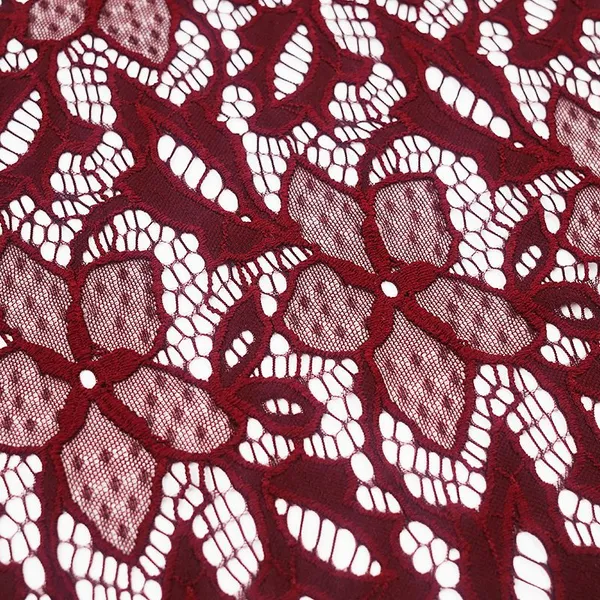 Read More

Contact Us
Recommended Products
-
 BJ044 Fancy Stretch Polyester Metallic Lurex Woven Luxury Shiny 3d Brocade Jacquard Fabric for Clothing DressNegotiableMOQ: 200 Meters
 -
BJ036 Best-selling Fashion Elegant Floral 3d Fabric for Women's Spring Autumn Dresses JacquardNegotiableMOQ: 200 Meters
-
BJ031 Woven Metallic Yarn Floral Brocade Jacquard Fabric For Haute CoutureNegotiableMOQ: 200 Meters
-
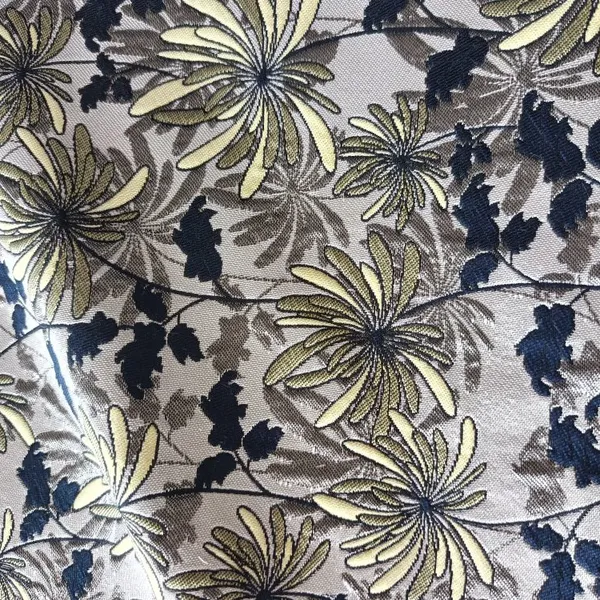
BJ014 Brocade Lace Fabric Yarn Dyed Jacquard Fabric Brocade ClothingNegotiableMOQ: 200 Meters
-
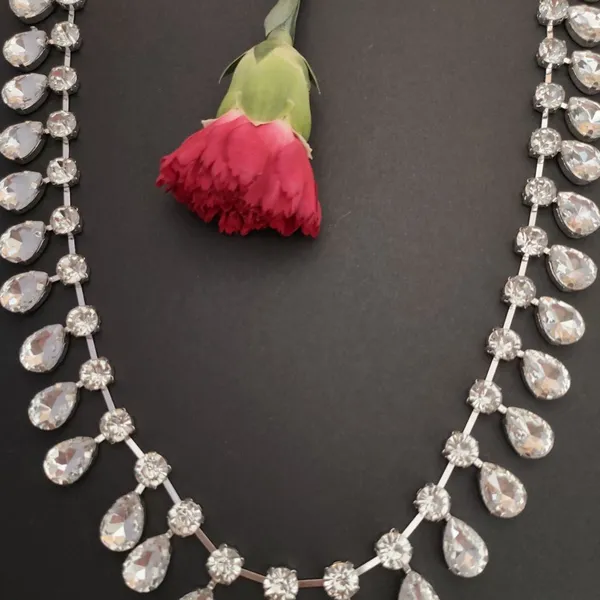
XB182 25MM Fancy Cup Chain Trimming Clothing Accessory With PearlsNegotiableMOQ: 60 Yards
-
BJ012 3D Flower Elegant Brocade Fabric Classic Women Dress Decorative ClothNegotiableMOQ: 200 Meters
-
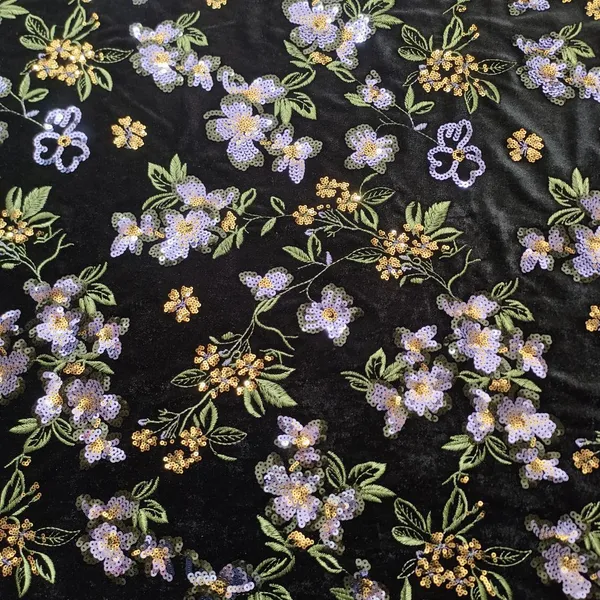
XF6069 Chinese Style Green Plants Embroidered Velvet Fabric SequinedNegotiableMOQ: 200 Yards
-
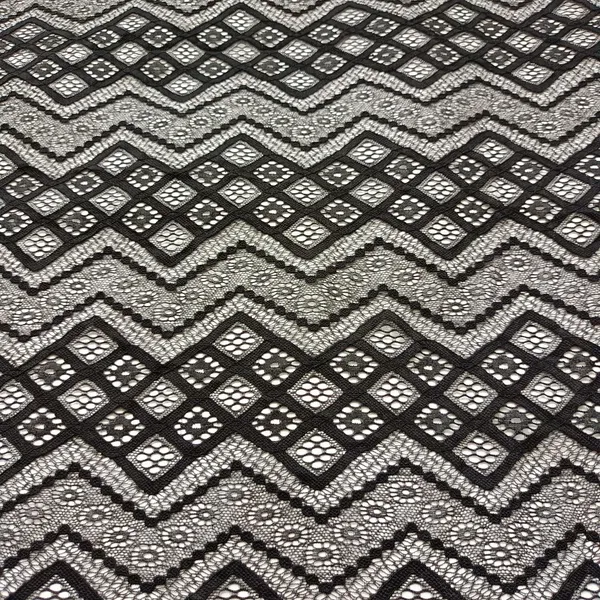
XL668 New Black Geometry French Lace Design Style Elastic Lace FabricNegotiableMOQ: 200 Yards
-
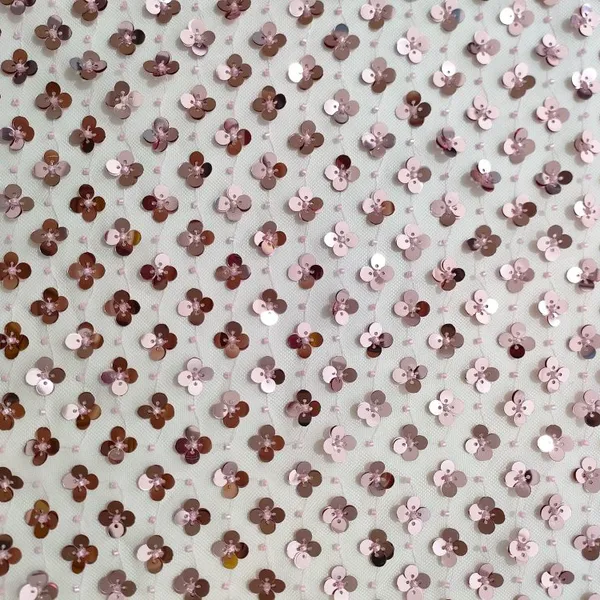
XW026 Sequined Beaded Mesh Lace Fabric Party Dress Wedding Gown Home DecorationNegotiableMOQ: 200 Yards
-
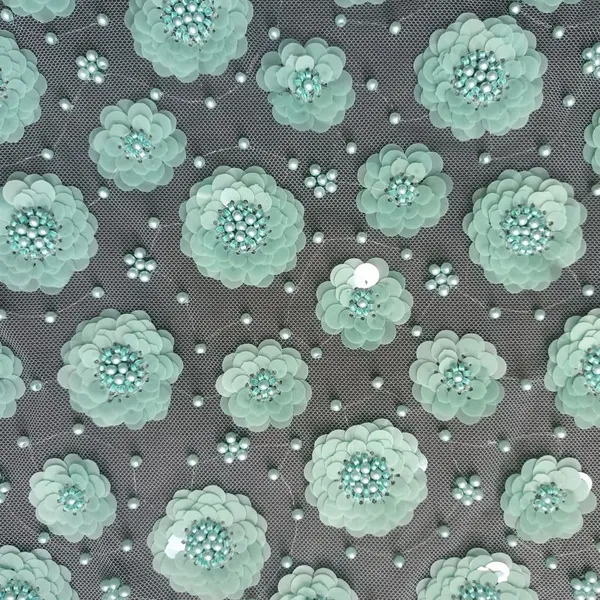
XW5293 Embroidery Heavy Wedding Lace Floral Beaded Mesh Lace Fabric SequinsNegotiableMOQ: 200 Yards
-
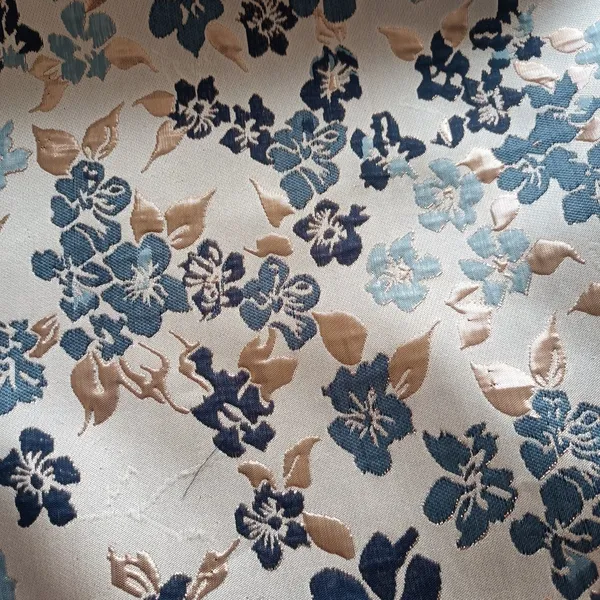
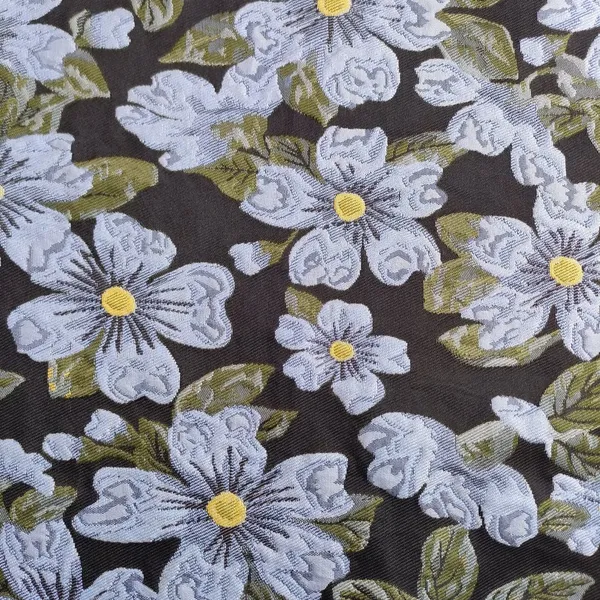
BJ032 Embossed Yarn Dyed Jacquard Fabric Floral Brocade Design Plants For GarmentsNegotiableMOQ: 200 Meters
-
XE059 Bleach Eyelet Fabric Schiffli Cotton Lace Fabric Hollow Out For GarmentsNegotiableMOQ: 200 Yards
-
XP3968 Embroidered Cord Lace Fabric Apparel Trim FabricsNegotiableMOQ: 200 Yards
-
XS1661 Fashion Floral Chemical Lace For Haute Couture Or Ready To WearNegotiableMOQ: 200 Yards
-
N116 Acetate Satin Fabric Polyester Fabric Skirt Lining FabricNegotiableMOQ: 200 Meters
-
L6012 Natural Linen Fabric For Summer Dress Quilting Fabric For BeddingNegotiableMOQ: 200 Meters
-
XE265 White Cotton Voile Schiffli Embroidered Fabric For Garments Design Home DecorationNegotiableMOQ: 200 Yards
-
XL698 Bridal French Chantilly Lace Trim Swiss Veil Mesh Fabric For WomenNegotiableMOQ: 200 Yards
-
XF6046 Hot Pink Luxury Embroidery Lace Fabric Fashion Design Mesh Fabric For DressNegotiableMOQ: 200 Yards
-
XW5296 Novel Designs Tape Embroidery Ribbon Lace Fabric With Beads Bridal FabricNegotiableMOQ: 200 Yards