Business License

How Is Lace Fabric Made?
Although lace may appear delicate and intricate, modern production relies on highly advanced textile technology. Depending on the style and intended application, lace can be created through embroidery, knitting, or weaving. Each manufacturing method produces a unique texture, appearance, and level of durability.
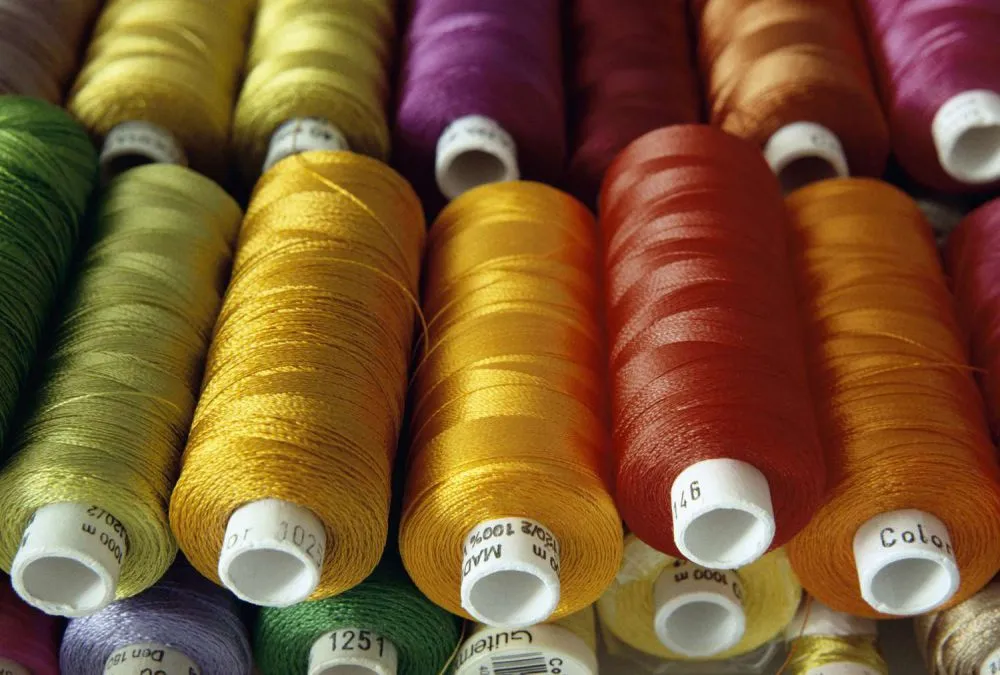
Step 1: Selecting the Right Fibers
Every lace fabric begins with yarn selection. The type of fiber used influences everything from softness and elasticity to durability and cost.
The most common materials include:
| Fiber | Key Benefits | Common Applications |
|---|---|---|
| Nylon | Soft, lightweight, durable | Bridal wear, lingerie, fashion apparel |
| Polyester | Cost-effective, wrinkle-resistant | Ready-to-wear garments, home textiles |
| Cotton | Natural feel and breathability | Vintage clothing, children's wear |
| Rayon | Soft texture with excellent drape | Fashion dresses and blouses |
| Silk | Luxurious appearance and smooth finish | Couture and premium bridal collections |
Many manufacturers also use blended yarns to combine the strengths of different fibers. For example, nylon and rayon are often blended to create lace that feels soft while maintaining excellent durability and color consistency.
Step 2: Creating the Lace Structure
Once the yarn has been selected, manufacturers begin producing the lace itself. Today, most commercial lace falls into one of three production methods.
Embroidered Lace
Embroidered lace is produced by stitching decorative motifs onto a lightweight mesh or tulle base using computerized multi-head embroidery machines.
Because the embroidery is applied after the base fabric is created, designers have enormous flexibility when it comes to pattern size, floral details, and decorative effects.
This technique is widely used for:
Wedding dresses
Evening gowns
Fashion overlays
Luxury garments
It also allows manufacturers to add sequins, beads, pearls, or cord embroidery for additional texture.
Raschel Knitted Lace
Raschel lace is produced on high-speed warp knitting machines, making it one of the most efficient lace production methods available today.
Compared with embroidered lace, Raschel lace offers:
Faster production
Lower manufacturing costs
Excellent consistency
Large-scale production capability
For this reason, Raschel lace is commonly used in ready-to-wear fashion, lingerie, sportswear, and home textiles.
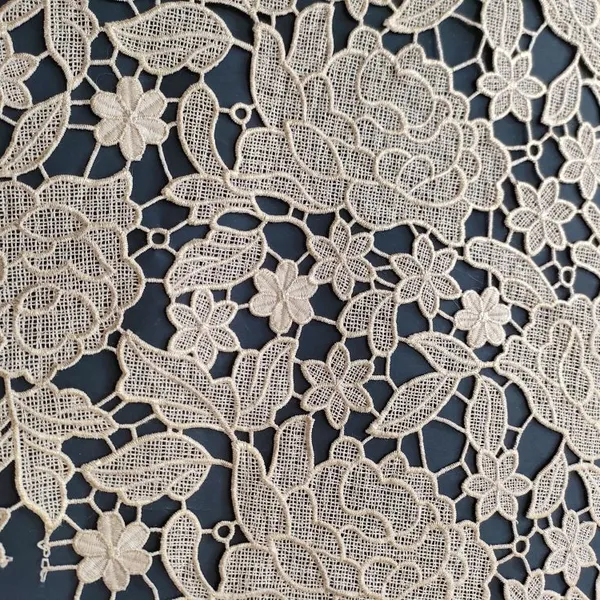
Guipure Lace
Unlike embroidered lace, Guipure lace does not use a mesh backing.
Instead, decorative motifs are connected directly with bars or threads, creating a bold, structured appearance with clearly defined patterns.
Because of its distinctive texture, Guipure lace is frequently chosen for:
Cocktail dresses
Fashion jackets
Statement sleeves
Contemporary women's wear
Step 3: Dyeing and Finishing
After the lace has been produced, it moves into the finishing stage.
Depending on the customer's requirements, manufacturers may apply several treatments to improve both appearance and performance.
Common finishing processes include:
Piece dyeing for consistent color
Heat setting to improve dimensional stability
Softening treatments for a smoother hand feel
Washing to remove production residues
Anti-static finishes for synthetic fibers
Some premium lace fabrics also receive specialty finishes such as metallic printing, foil coating, or water-repellent treatments for specific fashion applications.
Consistent dyeing is especially important for bridal and occasion wear, where lace must match satin, lining fabrics, or tulle in the same color family.
Step 4: Quality Inspection
Before lace fabric is packed and shipped, every production batch undergoes quality inspection.
Professional manufacturers typically evaluate:
Pattern accuracy
Embroidery consistency
Fabric width
Color uniformity
Surface cleanliness
Roll length
Defects such as broken threads or missing stitches
Maintaining strict quality control helps ensure that every production lot meets the same specifications, reducing waste and improving manufacturing efficiency for garment factories.
Modern Lace Manufacturing vs. Handmade Lace
Centuries ago, lace was created entirely by hand using needle lace or bobbin lace techniques. Producing even a single yard could take days—or in some cases, weeks—making handmade lace one of the world's most luxurious textiles.
Today, computerized embroidery machines and advanced knitting equipment have transformed lace production.
Modern manufacturing offers several advantages:
Higher production efficiency
Consistent quality across large orders
Greater pattern accuracy
Shorter lead times
More competitive pricing
While handcrafted lace remains highly valued in couture fashion, machine-made lace has become the preferred choice for commercial apparel production because it delivers an excellent balance of quality, scalability, and cost.
Why the Manufacturing Process Matters
For fashion brands and garment manufacturers, understanding how lace is produced isn't just a technical detail—it directly impacts product development and sourcing decisions.
The manufacturing method influences:
Fabric cost
Lead time
Minimum order quantities (MOQs)
Design flexibility
Production scalability
Finished garment performance
For example, a bridal collection that requires intricate floral motifs and delicate detailing may benefit from embroidered lace, while a ready-to-wear clothing line may prioritize the affordability and efficiency of Raschel lace.
Choosing the right production method from the beginning helps reduce sourcing risks and ensures the finished fabric aligns with both design expectations and budget requirements.
Recently Posted
-
Commercial Applications of Lace Fabric
June 30, 2026One of the reasons lace has remained a staple in the textile industry is its remarkable versatility. From luxury fashion to home d Read More
 -
Popular Types of Lace Fabric
June 30, 2026Not all lace fabrics are made the same. While they may share a similar decorative appearance, different types of lace vary signifi Read More
 -
Understanding Lace Fabric: Features, Types & Uses
June 26, 2026Understanding Lace Fabric: Features, Types & UsesLace has remained one of the most recognizable textiles in fashion for hundre Read More
 -
Burgundy Lace Fabric: The 2026 AW Trend Driving Higher Margins for Fashion Brands
February 9, 2026Product OverviewFor fashion brand buyers and procurement leaders, the 2026 Autumn/Winter season presents a clear opportunity: burg Read More

Contact Us
Recommended Products
-
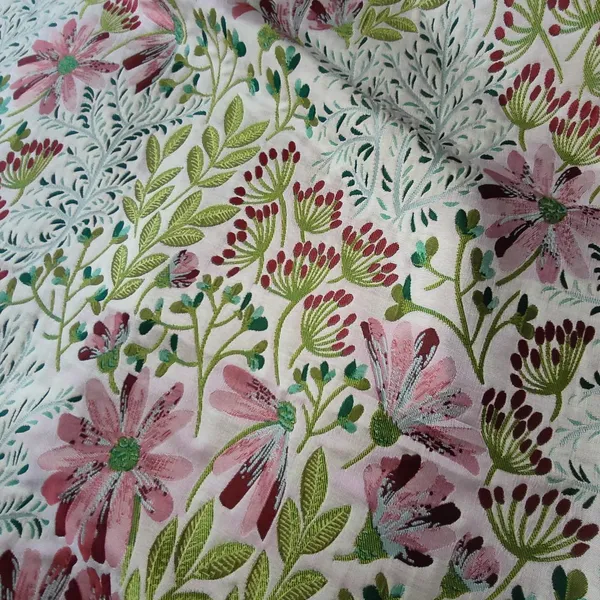
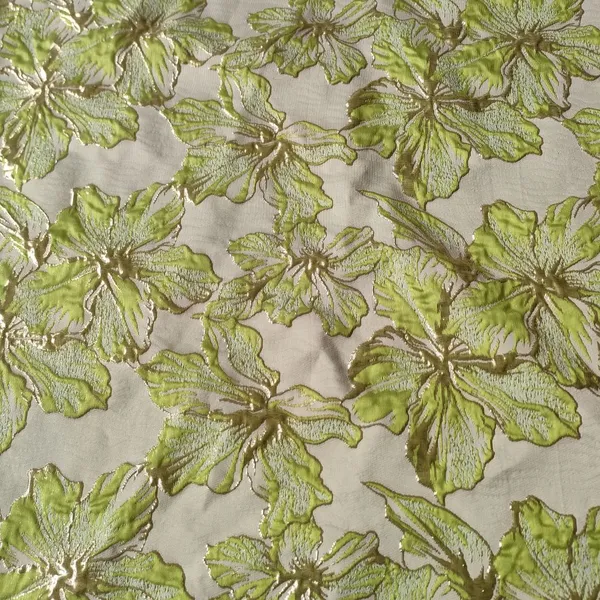
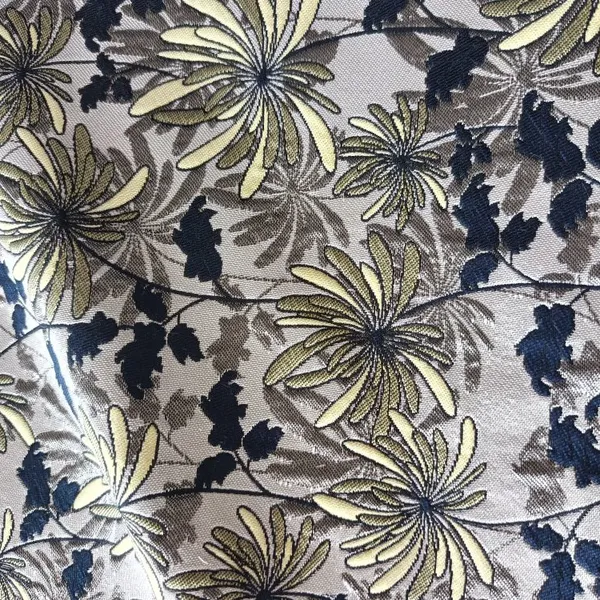
 BJ044 Fancy Stretch Polyester Metallic Lurex Woven Luxury Shiny 3d Brocade Jacquard Fabric for Clothing DressNegotiableMOQ: 200 Meters
 -
BJ036 Best-selling Fashion Elegant Floral 3d Fabric for Women's Spring Autumn Dresses JacquardNegotiableMOQ: 200 Meters
-
BJ031 Woven Metallic Yarn Floral Brocade Jacquard Fabric For Haute CoutureNegotiableMOQ: 200 Meters
-
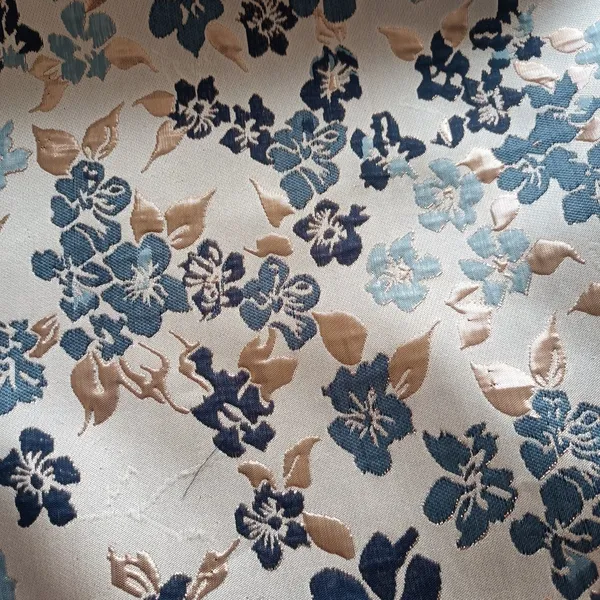
BJ014 Brocade Lace Fabric Yarn Dyed Jacquard Fabric Brocade ClothingNegotiableMOQ: 200 Meters
-
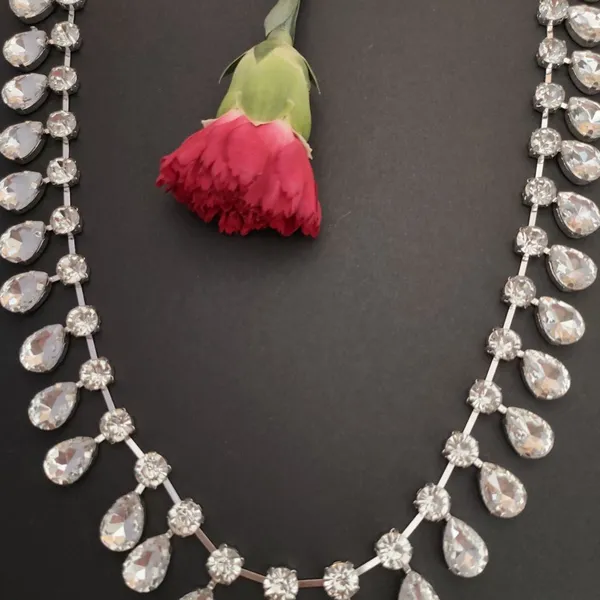
XB182 25MM Fancy Cup Chain Trimming Clothing Accessory With PearlsNegotiableMOQ: 60 Yards
-
BJ012 3D Flower Elegant Brocade Fabric Classic Women Dress Decorative ClothNegotiableMOQ: 200 Meters
-
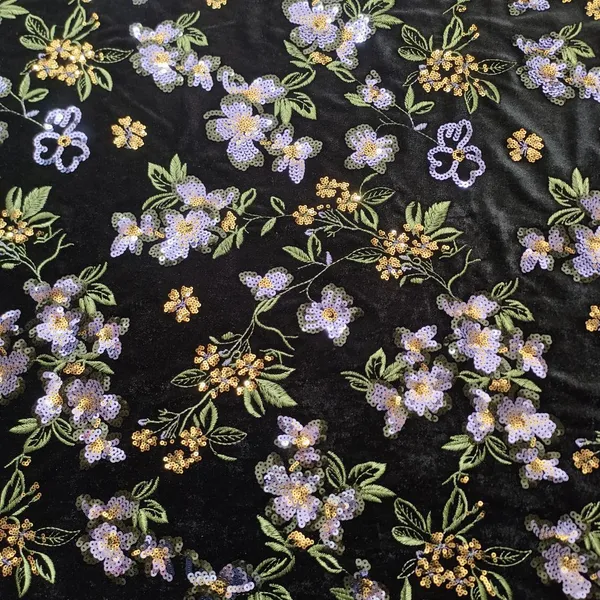
XF6069 Chinese Style Green Plants Embroidered Velvet Fabric SequinedNegotiableMOQ: 200 Yards
-
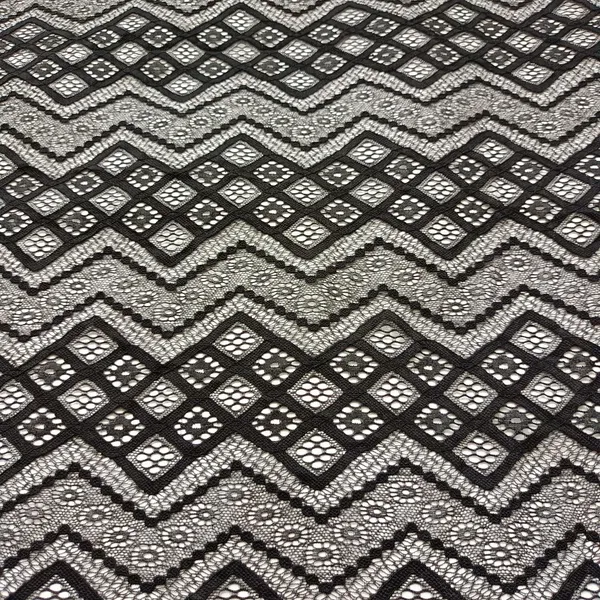
XL668 New Black Geometry French Lace Design Style Elastic Lace FabricNegotiableMOQ: 200 Yards
-
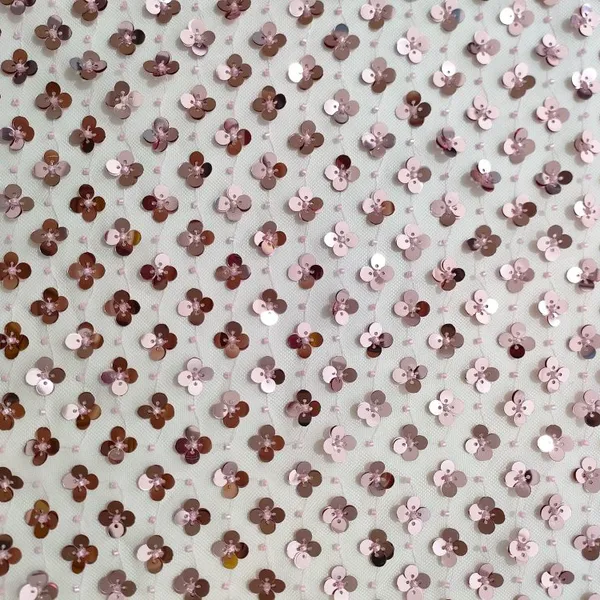
XW026 Sequined Beaded Mesh Lace Fabric Party Dress Wedding Gown Home DecorationNegotiableMOQ: 200 Yards
-
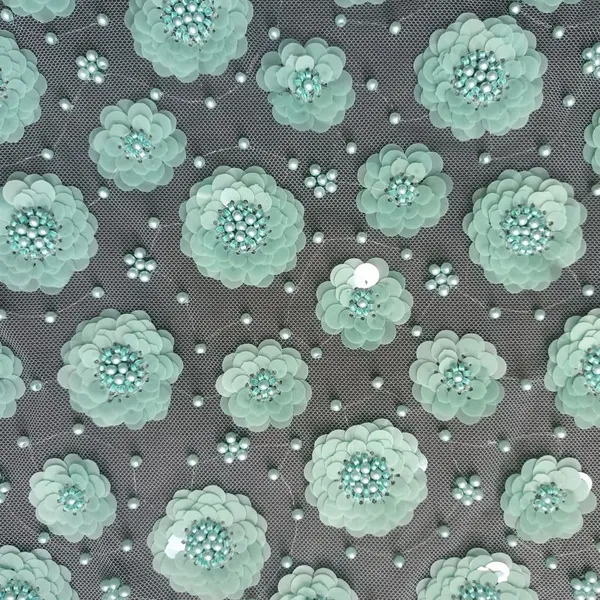
XW5293 Embroidery Heavy Wedding Lace Floral Beaded Mesh Lace Fabric SequinsNegotiableMOQ: 200 Yards
-
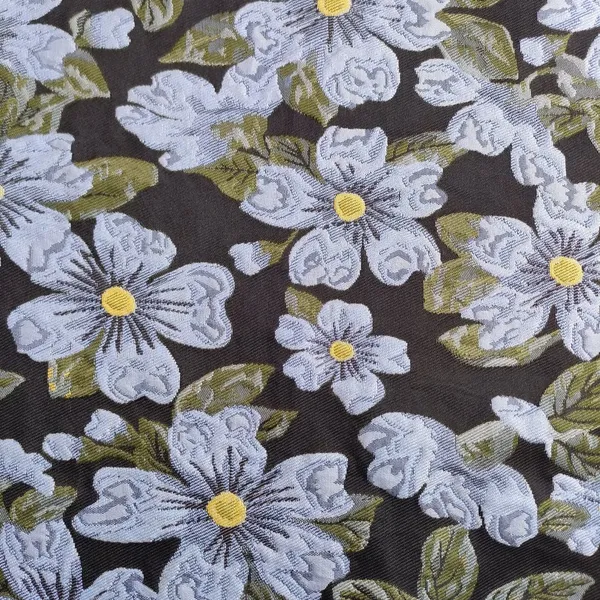
BJ032 Embossed Yarn Dyed Jacquard Fabric Floral Brocade Design Plants For GarmentsNegotiableMOQ: 200 Meters
-
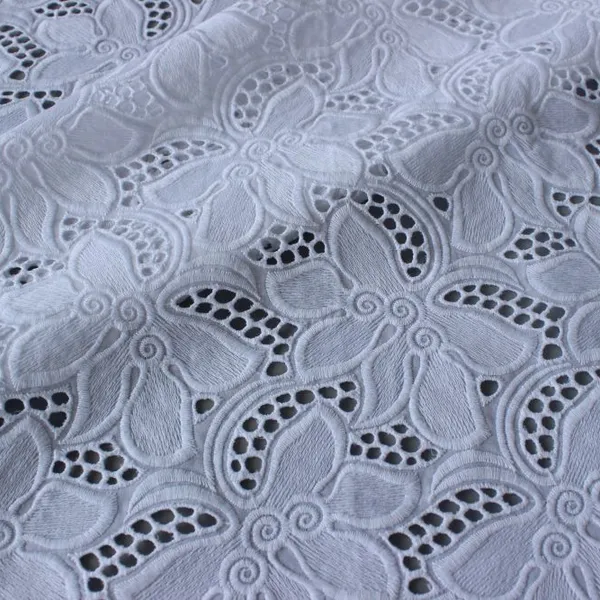
XE059 Bleach Eyelet Fabric Schiffli Cotton Lace Fabric Hollow Out For GarmentsNegotiableMOQ: 200 Yards
-
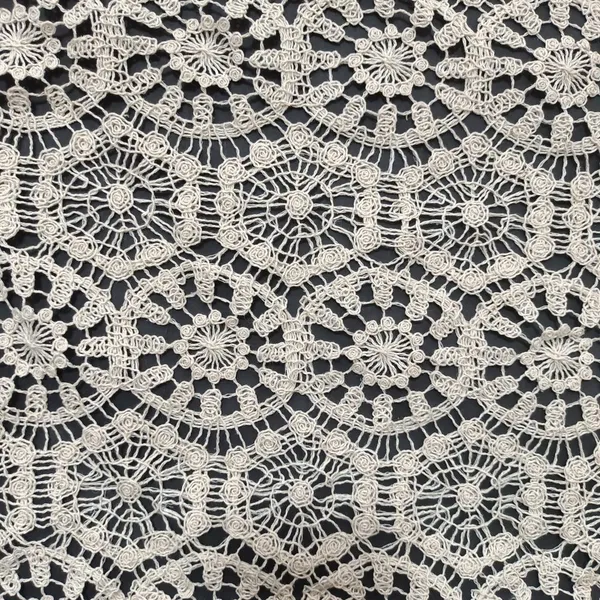
XP3968 Embroidered Cord Lace Fabric Apparel Trim FabricsNegotiableMOQ: 200 Yards
-
XS1661 Fashion Floral Chemical Lace For Haute Couture Or Ready To WearNegotiableMOQ: 200 Yards
-
N116 Acetate Satin Fabric Polyester Fabric Skirt Lining FabricNegotiableMOQ: 200 Meters
-
L6012 Natural Linen Fabric For Summer Dress Quilting Fabric For BeddingNegotiableMOQ: 200 Meters
-
XE265 White Cotton Voile Schiffli Embroidered Fabric For Garments Design Home DecorationNegotiableMOQ: 200 Yards
-
XL698 Bridal French Chantilly Lace Trim Swiss Veil Mesh Fabric For WomenNegotiableMOQ: 200 Yards
-
XF6046 Hot Pink Luxury Embroidery Lace Fabric Fashion Design Mesh Fabric For DressNegotiableMOQ: 200 Yards
-
XW5296 Novel Designs Tape Embroidery Ribbon Lace Fabric With Beads Bridal FabricNegotiableMOQ: 200 Yards